
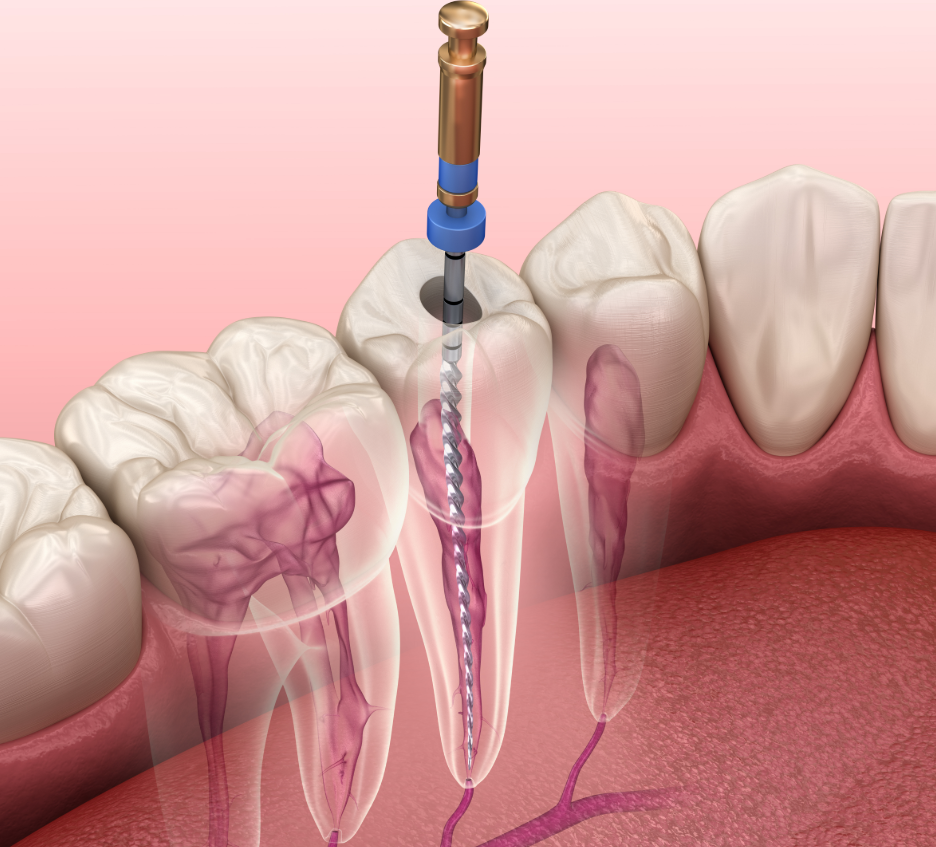
Hearing that you need a root canal can feel intimidating. For many people, the phrase alone brings up images of discomfort or complicated dental work. Because of that, some patients consider putting the procedure off—or avoiding it entirely. But when a dentist recommends a root canal, it’s usually because a serious infection or deep decay has reached the inner part of the tooth. Without treatment, the problem rarely stays the same. In fact, it almost always gets worse.
Understanding what can happen when a root canal is delayed or avoided can help you make informed decisions about your oral health.
Why Root Canals Are Recommended
Inside each tooth is a soft tissue called the pulp. This pulp contains nerves and blood vessels that help the tooth develop. When bacteria enter the pulp—usually through deep decay, cracks, or trauma—it can cause infection and inflammation.
A root canal removes the infected pulp, cleans the inside of the tooth, and seals it to prevent further infection. The goal is to eliminate pain and save the natural tooth whenever possible.
Without treatment, the infection doesn’t simply disappear.
Increasing Pain and Sensitivity
One of the earliest signs of an infected tooth is persistent pain. At first, you might notice sensitivity to hot or cold foods, discomfort when biting, or a dull ache that comes and goes.
If the infection progresses, that discomfort can turn into severe, constant pain. The pressure from infection inside the tooth can irritate surrounding nerves, making everyday activities like eating or drinking uncomfortable.
Unfortunately, pain medication only masks the symptoms temporarily. It does not treat the underlying infection.
The Spread of Infection
When the infected pulp isn’t removed, bacteria can spread beyond the tooth root and into the surrounding bone and tissue. This can lead to the formation of a dental abscess—a pocket of pus caused by infection.
Abscesses can cause swelling in the gums, jaw, or face. Some people also develop a small pimple-like bump on the gums that may release fluid. Left untreated, an abscess can damage the jawbone and surrounding teeth.
In rare but serious cases, dental infections can spread to other areas of the body, making prompt treatment especially important.
Tooth Loss and Structural Damage
Another common outcome of avoiding a root canal is losing the tooth altogether. As infection continues to weaken the tooth from the inside, the surrounding bone may deteriorate and the tooth structure can become too compromised to save.
At that point, extraction may be the only option. While replacement options like dental implants or bridges are available, preserving your natural tooth is typically the healthiest and most cost-effective solution.
Treating the problem early with a root canal can often prevent the need for more complex procedures later.
Why Early Treatment Matters
Modern root canal therapy is designed to relieve pain, not cause it. Advances in dental technology and anesthetics make the procedure much more comfortable than many people expect.
The sooner an infected tooth is treated, the better the chances of saving it and avoiding complications. Addressing the issue early also helps prevent infection from spreading and protects the overall health of your smile. Taking care of the problem now can help you avoid bigger dental concerns down the road.
About the Practice
Admired Smiles Dental Center has served families in Hingham, Massachusetts for many years, continuing a tradition of patient-focused care in the community. The practice is led by Dr. Mohamed Hegazi, who is known for his compassionate approach and commitment to helping patients feel comfortable and informed about their dental care. Dr. Hegazi provides comprehensive services designed to support both preventive and restorative oral health, with a focus on building lasting relationships and helping patients maintain healthy, confident smiles.
Call us at (781) 678-4633 or schedule your appointment online.